What Is Wine Cellar Management and Why Does It Matter?
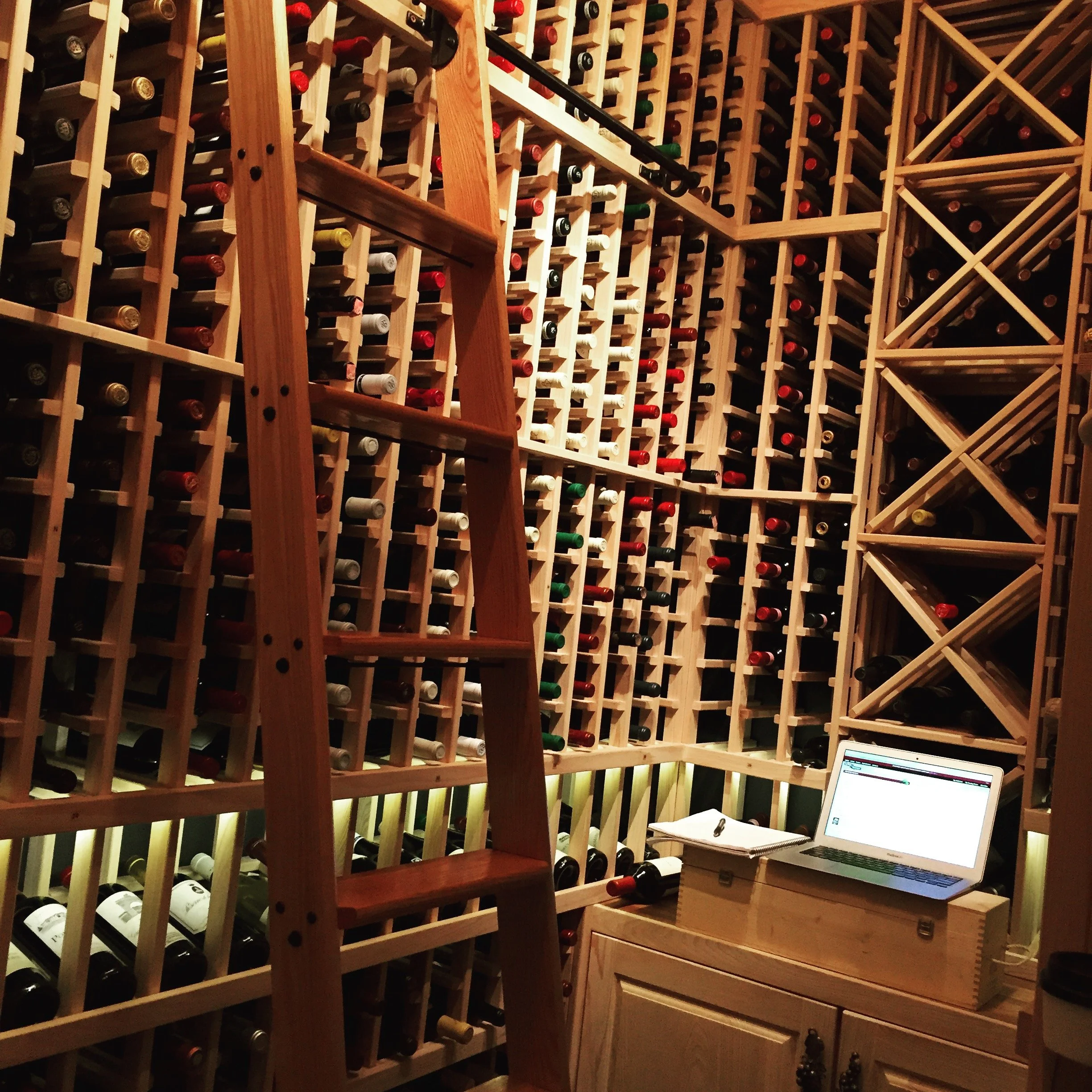
Building a serious wine collection takes years. Managing one properly is an entirely different undertaking.
Wine arrives from allocations, retailers, auctions, mailing lists and travel. Bottles are opened, moved, gifted, sold or transferred between properties. Records fall behind. Cases accumulate wherever space is available. Eventually, even a thoughtfully built collection can become difficult to navigate.
That is where professional wine cellar management comes in.
Wine cellar management is the ongoing process of keeping the physical cellar, the digital inventory and the collector’s priorities aligned. It allows the owner to know what is in the collection, where every bottle is located, what should be opened and what may need to be valued, moved or sold. For a serious collector, organization is not simply about making the cellar look better. It is about protecting the usefulness, enjoyment and value of the collection.
No one wants that terrible feeling of unearthing long-forgotten wines that should have been consumed long ago.
What Does Wine Cellar Management Include?
Professional cellar management can encompass several related services depending on the collection and the collector’s needs.
Wine Inventory and Cataloging
An accurate inventory is the foundation of a manageable collection. Every bottle must be correctly identified and reconciled with the physical contents of the cellar. The resulting catalog should provide a reliable picture of the wines owned, their quantities, bottle formats and locations.
For many collectors, the existing inventory has not kept pace with the collection. Bottles may appear in the database that are no longer present, while recent purchases may never have been entered at all. Professional cataloging creates an accurate, up-to-date accounting of everything in the cellar.
Physical Cellar Organization
A collection should be arranged in a way that makes sense for both the wines and the person who owns them. A professional organization plan considers the composition of the collection, the physical design of the cellar, the collector’s drinking habits, future purchases, large formats, original cases and the need for the system to remain functional as bottles come and go.
The objective is not merely orderly racks. It is a cellar in which a specific bottle can be found without unnecessary searching.
No more searching for a particular bottle while guests are waiting or dinner is getting cold.
Digital Collection Management
A collection-management platform such as CellarTracker can provide tremendous value, but only when the information is accurate and consistently maintained. A bottle listed in the database is not useful if its recorded location is wrong. Likewise, an organized cellar will gradually become difficult to manage if purchases and consumption are not reflected digitally. Professional management connects the physical and digital collection so that both remain dependable.
Drinking-Window Oversight
One of the most common frustrations among collectors is discovering a bottle after its ideal drinking window has passed. Mature wines can become buried behind newer purchases, hidden in double-deep racks or forgotten inside unopened cases. Without accurate records and regular review, valuable bottles may remain untouched until they are declining.
Cellar management helps identify wines that should be enjoyed soon, wines that require additional aging and areas where the collection has more mature inventory than the owner can reasonably consume.
Valuation and Collection Planning
An organized and accurately cataloged collection is much easier to evaluate. Reliable information allows the collector to understand current value, insurance exposure, concentration by producer or region and the potential proceeds from selling part of the collection. It can also improve future purchasing decisions. Knowing what is already owned helps prevent unnecessary duplication and makes it easier to identify meaningful gaps.
Moves, Renovations and Cellar Transitions
Moving a wine collection is not the same as moving ordinary household belongings. Each bottle has an identity, condition, value and intended location. Without careful planning, cases can become separated, inventory records can be lost and a collection that was once manageable can arrive as an expensive puzzle.
Professional cellar management preserves continuity before, during and after a move, renovation or transfer between storage locations.
Why Do Wine Collections Become Disorganized?
Most disorganized cellars did not begin that way. The problem usually develops gradually as the collection grows faster than the system supporting it.
Common causes include:
Purchases arriving from multiple sources
Wine being placed wherever open rack space exists
Inconsistent inventory updates
Bottles being removed without being recorded
Double-deep racks obscuring wines in the back
Cases remaining unopened or unidentified
Multiple homes or storage locations
Changes in collecting interests
Inherited or combined collections
An inventory system that was never designed for the current scale
A system that worked for 100 bottles may not work for 1,000. As the collection grows, the number of potential errors grows with it.
What Are the Consequences of Poor Cellar Organization?
Disorganization does more than create inconvenience.
Wines Are Forgotten
Collectors often own bottles they would be excited to drink if they remembered they were there. Without a reliable inventory and location system, those wines effectively disappear inside the cellar.
Bottles Miss Their Best Drinking Window
A forgotten bottle may be discovered years after it should have been opened. This is particularly common in large collections containing mature Burgundy, Bordeaux, Rhône, California Cabernet and other age-worthy wines purchased across many vintages.
Duplicate Purchases Accumulate
Without a clear view of existing holdings, collectors can unintentionally continue buying wines, regions or vintages that are already overrepresented.
Valuable Time Is Wasted
Searching for a particular bottle can become a frustrating process of pulling wines from racks, opening cases and checking multiple locations.
Valuation and Liquidation Become More Difficult
Auction houses, insurers, buyers and advisors need accurate information. An incomplete or unreliable inventory makes it harder to determine value and can delay a move, insurance review, estate process or sale.
The Collection Becomes Work
A wine collection should be a source of enjoyment. When the cellar becomes difficult to use, the administrative burden can overshadow the pleasure of collecting and drinking the wine.
When Does a Collector Need Professional Help?
A small collection can often be managed independently. Professional assistance becomes more valuable as the collection grows in size, complexity or value.
It may be time to seek help when:
You cannot locate bottles that appear in your inventory
Your physical collection no longer matches your records
Wine is accumulating in unidentified or unopened cases
You have stopped updating your cellar-management software
You regularly discover bottles later than you intended
The collection is divided among multiple properties or storage facilities
You are preparing for a move or cellar renovation
You need an accurate valuation for insurance, estate planning or sale
Managing the cellar has become time-consuming or frustrating
You simply want the collection handled correctly without doing the work yourself
The number of bottles alone does not determine the need. A 500-bottle collection with mature, valuable or frequently changing inventory may require more attention than a much larger but relatively static cellar.
What Does a Professionally Managed Cellar Provide?
The result should be straightforward:
An accurate understanding of what is owned
A precise way to locate every bottle
Digital records that agree with the physical cellar
Better visibility into drinking windows
Fewer forgotten or duplicated wines
More informed purchasing and selling decisions
A collection that can be maintained as it changes
Greater enjoyment with less administrative work
The collector should be able to enter the cellar with confidence rather than uncertainty.
Cellar Organization Is Not a One-Time Event
A professional organization project can establish order, but a living collection continues to change. New allocations arrive. Bottles are consumed. Wines are transferred, gifted or sold. Even the best-organized cellar will gradually lose accuracy if those changes are not recorded.
For active collections, ongoing management may include integrating new purchases, updating bottle locations, maintaining the digital catalog, reviewing drinking windows, coordinating deliveries and periodically reconciling the records with the physical cellar.
The goal is not simply to organize the collection once. It is to keep the collection useful. OWC helps simplify these processes by showing our clients how to accurately and reliably manage their collection long after we’ve left.
A Serious Collection Deserves a Serious System
Wine cellar management protects the time, attention and financial investment that went into building the collection. It transforms a room full of bottles into a collection that can be understood, navigated and enjoyed. It also gives the collector reliable information when deciding what to drink, acquire, insure, move, gift or sell.
OWC organizes, catalogs and manages private wine collections ranging from approximately 500 to more than 20,000 bottles. Every engagement is tailored to the collection, the cellar and the collector’s priorities.
Know what you have, where it is and, most importantly, when to drink it.
Has your collection become more difficult to manage than it should be?