CELLAR ORGANIZATION & CATALOGING
Know what you have, where it is and, most importantly, when to drink it.
A COLLECTION IS ONLY USEFUL IF YOU CAN NAVIGATE IT.
A serious wine collection can become difficult to manage long before the cellar feels full. Allocations accumulate, bottles are moved, records fall behind and wines disappear into racks or cases. Eventually, the collector knows there is great wine in the room—but not always exactly what is there, where to find it or which bottles should be opened first.
Cataloging hundreds or thousands of bottles takes more than wine knowledge. It requires a disciplined system for identifying every wine correctly, reconciling quantities, recording precise locations and organizing the physical cellar around the way you actually collect and drink. OWC brings that system to collections ranging from 500 to more than 20,000 bottles.

-
We work through the cellar bottle by bottle, confirm producer, cuvée, vintage and format, reconcile quantities and make sure every wine is cataloged correctly.
-
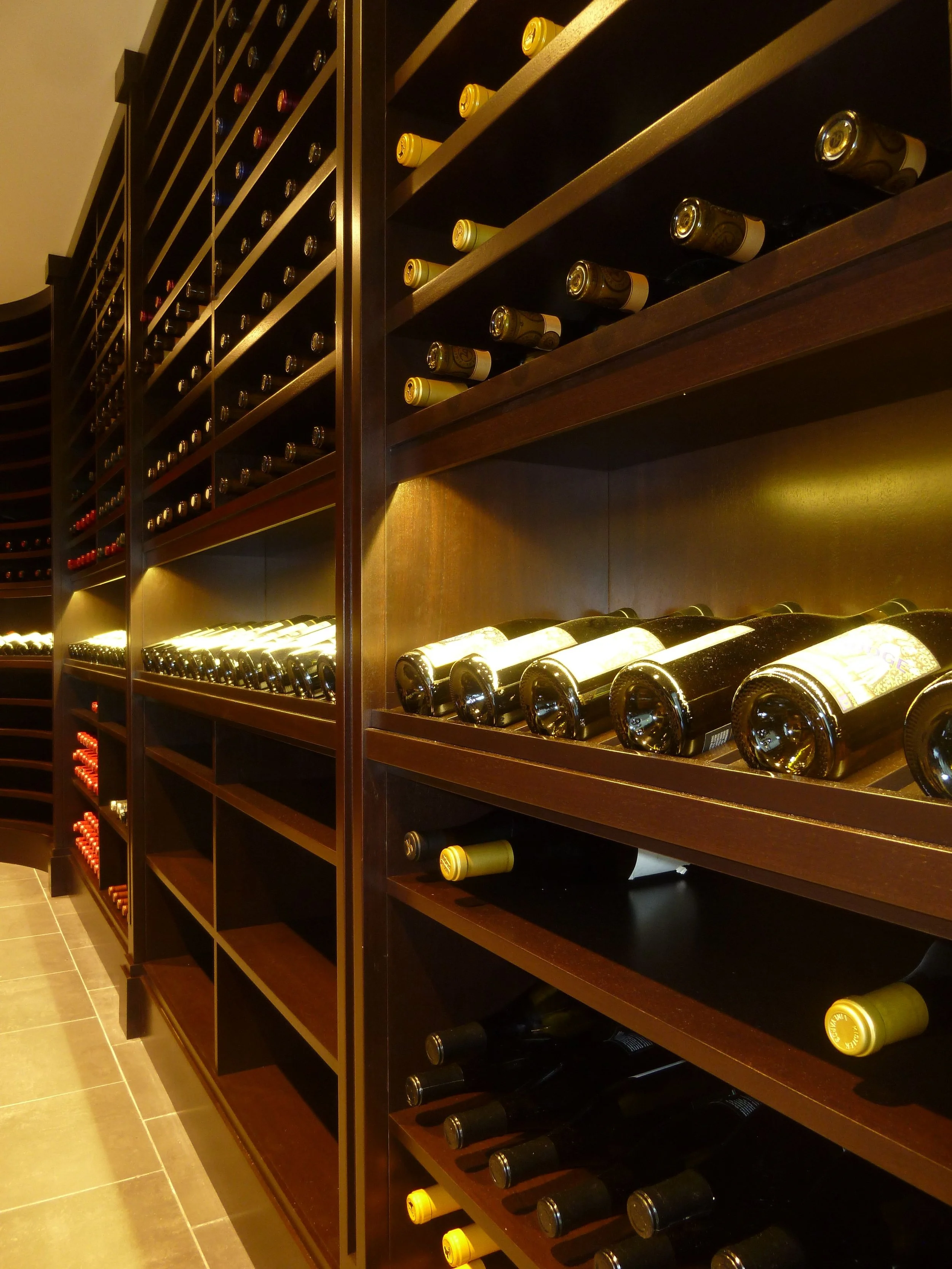
We assign precise locations, create a logical cellar map and discreetly label racks with simple codes such as A1 or Bin 5, so any bottle can be found immediately.
-
We organize the cellar by wine type, country, region, varietal and producer—then adapt the system to the way you collect, entertain and choose what to drink.
-
We build or correct your digital collection catalog, add accurate location data and create a working record that supports drinking decisions, valuation and insurance documentation.
WHAT OWC DOES, BOTTLE BY BOTTLE.
You can locate any bottle immediately, see accurate quantities and understand how the collection is distributed by producer, region, vintage and format. Drinking windows become visible, duplicate purchases and forgotten cases are easier to spot, and opening the right bottle no longer depends on memory.
Your digital collection catalog becomes a practical management tool—not simply a list. You can add or remove wines from a phone or laptop, maintain accurate locations as the collection evolves and, when appropriate, use barcode labels for even faster updates. The finished catalog also provides a credible basis for collection valuation and insurance documentation. Most importantly, you regain confidence that the cellar you built can actually be enjoyed.
WHEN THE WORK IS FINISHED, THE CELLAR AND THE DATA TELL THE SAME STORY.